


-

Add: HeBei ShengShi HongBang Cellulose Technology CO.,LTD.
-

Email
13180486930@163.com -

CONTACT US
+86 13180486930
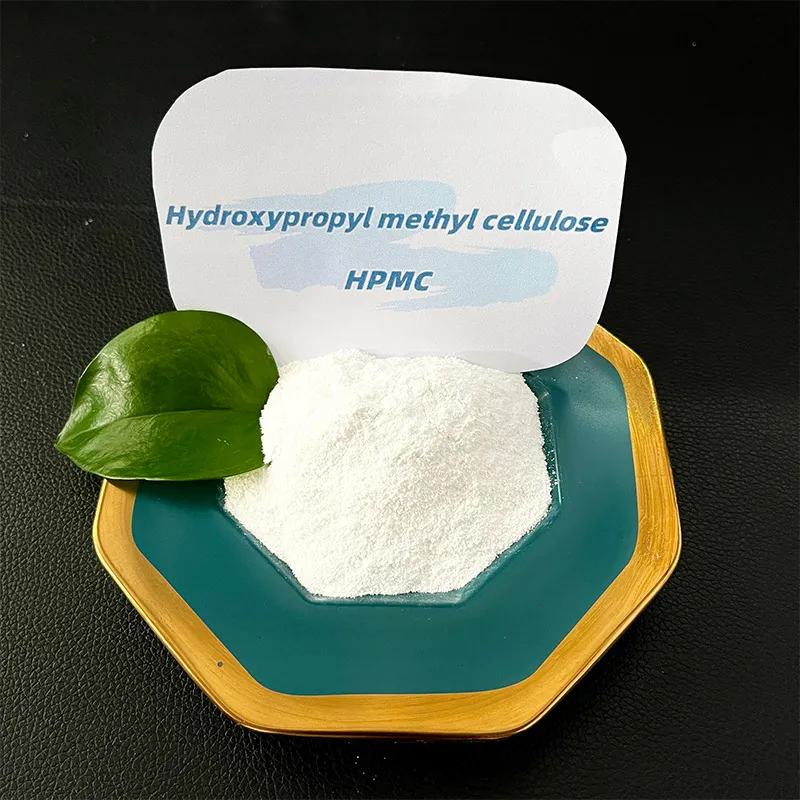




In the world of plastering and construction, achieving optimal working time and preventing premature setting are crucial factors for ensuring high-quality results. One of the most effective solutions is the use of cream of tartar plaster retarder . This naturally occurring substance is increasingly being utilized in the formulation of gypsum-based products due to its ability to extend working time, improve the application process, and maintain the consistency of plaster during drying. In this article, we will explore the importance of cream of tartar plaster retarder and other key retarders in gypsum products , and how these additives are transforming the plastering industry. Why Cream of Tartar Plaster Retarder is Essential in Gypsum-Based Products Cream of tartar plaster retarder plays a vital role in gypsum-based products, particularly in extending the workability of plaster. Gypsum, a commonly used material in construction, sets quickly once mixed with water. While this rapid setting is beneficial in certain applications, it can be problematic when more time is needed to apply the plaster evenly or when working with intricate designs. By incorporating cream of tartar plaster retarder into the mix, the setting time is slowed, allowing plasterers more flexibility to work with the material before it hardens. This retarder works by delaying the crystallization process of gypsum, which is responsible for its quick setting. With a cream of tartar plaster retarder , contractors can achieve a smooth, uniform finish with less pressure and more time to adjust the plaster before it begins to set. This is especially beneficial in larger or more complex projects, where detailed craftsmanship is required, ensuring that the plaster doesn’t dry too fast before it can be applied correctly. The Benefits of Using Extra Time Plaster Additive in Large-Scale Projects An extra time plaster additive is a key tool for ensuring that plaster sets at a controlled rate, which is particularly useful in large-scale or intricate projects. Large surfaces, such as ceilings or walls in commercial buildings, require a more extended working period to apply the plaster evenly. In such cases, an extra time plaster additive allows workers to apply the plaster smoothly without worrying about it drying out too quickly. By adding extra time plaster additive to the gypsum mix, you can ensure that the material remains workable for longer periods. This can make a significant difference in ensuring that the plaster adheres properly and does not form unsightly cracks or imperfections during the drying process. Moreover, the longer workability period enhances the efficiency of the entire plastering team, as it reduces the need for constant re-mixing of the product and provides more time to apply the material precisely. Another key benefit is the reduction of waste. When working under time constraints, contractors often find themselves discarding large amounts of plaster that have hardened prematurely. The use of extra time plaster additive minimizes this issue, ensuring that the plaster remains usable for extended periods without the need for frequent remixes. Understanding the Role of Gypsum Retarder Chemicals in the Construction Industry Gypsum retarder chemicals are essential additives in the construction industry, especially when working with gypsum products like plaster, drywall, and cement. These chemicals serve to delay the setting time of gypsum, ensuring that the material remains malleable and workable for longer. Gypsum itself is a fast-setting material, which can be advantageous in some applications but challenging in others. By incorporating gypsum retarder chemicals , contractors can optimize the workability and overall finish of the product, reducing the risk of defects caused by premature setting. Retarder chemicals work by inhibiting the formation of crystals within the gypsum mix. This allows workers to apply the product more evenly and with more control, particularly in situations that require precise application, such as when smoothing out surfaces or forming intricate details. In the case of gypsum retarder chemicals , the goal is to extend the open time of the product without compromising its final strength or durability. Additionally, gypsum retarder chemicals help to improve the overall quality of gypsum-based products by ensuring that they have a uniform texture and finish. This is especially important in high-demand environments such as commercial or residential construction, where the appearance and durability of the final product are critical. The Importance of Retarders in Gypsum Products for Quality Control Retarders in gypsum products are a crucial part of quality control in construction and plastering. These additives are used to adjust the setting time of gypsum, ensuring that the material remains workable and easy to manipulate until the desired finish is achieved. Without retarders, gypsum-based products would set too quickly, leading to uneven application, poor bonding, and an overall inferior finish. The use of retarders in gypsum products improves the consistency and reliability of plaster and other gypsum-based materials. Whether it’s for large-scale construction projects or smaller renovations, the ability to control the setting time of gypsum is invaluable. For example, during the application of plaster on complex surfaces or for detailed architectural features, a longer working time is essential. This is where retarders in gypsum products come into play—allowing workers to apply the product smoothly and with precision, avoiding issues such as cracking or difficulty in finishing. Moreover, retarders in gypsum products can enhance the sustainability of the project by reducing waste. Faster setting times often lead to excess material being discarded as it hardens before it can be applied. Retarders help extend the usability of gypsum, minimizing this issue and promoting a more efficient and cost-effective process. The use of cream of tartar plaster retarder , extra time plaster additives , and gypsum retarder chemicals is essential in the production of high-quality gypsum-based materials. These additives not only improve the workability and flexibility of plaster but also ensure that it sets at a controlled rate, providing contractors with the time needed to achieve a perfect finish. Whether for large-scale construction or intricate plastering tasks, retarders play an integral role in extending working time, preventing premature setting, and improving the overall quality of the product.
- 40000tons

Production
- 20+years

Experience
- 5000+㎡

Acreage

-
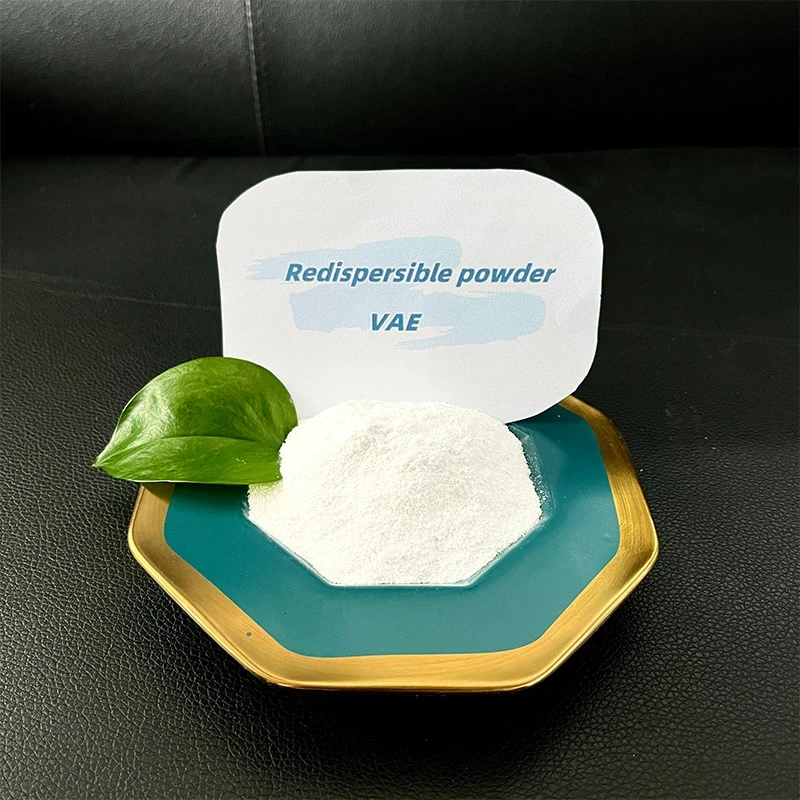
High Performance Computing (HPC) and Hydroxypropyl Methylcellulose (HPMC) might seem like disparate terms, but they represent pivotal influences in their respective domains—technology and material science. As the digital era sweeps across industries, understanding the roles these elements play in shaping technological advancements becomes indispensable. HPC is a cornerstone in computational processes, enabling large-scale simulations, complex calculations, and efficient data processing. Its significance is particularly pronounced in areas like climate modeling, physics simulations, and drug discovery where traditional computing methodologies fall short. HPC systems enhance computational capabilities by linking computer clusters to function as a single entity, thereby optimizing processing power and speed. Businesses and institutions harness this capacity to solve problems that were previously insurmountable, significantly reducing the time required for research and development. Conversely, HPMC stands as a key player in the pharmaceutical and construction industries. As a semi-synthetic polymer, it exhibits excellent properties that make it an indispensable additive. In pharmaceuticals, HPMC serves as a controlled-release agent, ensuring the active ingredient in a drug is distributed at an appropriate pace in the body, enhancing the drug's effectiveness and patient safety. In construction, HPMC is valued for its water retention and cement dispersion properties, crucial for improving the workability of cement and plaster, leading to prolonged setting times and enhanced durability of structures. Bridging HPC and HPMC is their shared goal of fostering innovation and efficiency. Companies integrating HPC into their processes can speedily analyze vast data sets to identify patterns and make informed decisions, perhaps even in the tailoring of drug formulations utilizing HPMC. Such synergy allows for an unprecedented level of product refinement and predictive modeling, elevating the standards of quality and safety. Furthermore, the intersection of HPC and HPMC is visible in material science, where simulations powered by HPC can predict how HPMC and other polymers interact at a molecular level. Such insights are crucial for the development of new materials with customized properties, thereby expanding the potential applications of HPMC in various industries. hpc hpmc In practical applications , HPC has dramatically altered how industries approach data. For example, in genomics, HPC provides the computational capacity to conduct comprehensive genome analyses, a task unmanageable without such technology. These analyses can propel forward research in genetic disorders, fostering early detection and personalized medicine. Similarly, in the realm of energy, HPC aids in optimizing the exploration and production of energy resources, enhancing both efficiency and sustainability. On the HPMC front, its versatility extends into the food industry, where it acts as a stabilizer, thickener, and emulsifier. The non-toxic and non-allergenic nature of HPMC makes it an attractive option in developing food products that meet stringent safety standards while retaining taste and texture. In the realm of personal care products, it is used to enhance the consistency and shelf life of goods such as lotions and creams. Given this context, businesses looking to leverage these innovations need to astutely integrate HPC into their strategic planning and utilize HPMC in product development to stay competitive. Organizations should invest in training and development of their workforce to gain expertise in these technologies, ensuring they remain at the forefront of their industries. Trust in these technologies comes from demonstrated success and scientific validation. For companies involved with HPC, regularly publishing peer-reviewed research and case studies can help bolster trustworthiness and transparency in their methodologies. Simultaneously, firms utilizing HPMC in products must comply with regulatory standards and publish their compliance and safety certifications to establish credibility and consumer trust. In conclusion, HPC and HPMC exemplify the potential inherent in technological and scientific advancement. While they operate in distinct spheres, their intersection presents endless opportunities for innovation and enhancement of products and services. By harnessing their capabilities, industries can not only improve their processes and offerings but also foster an environment where continuous improvement and cutting-edge solutions are the norms.
-
Exploring the molecular weight of hydroxypropyl methylcellulose (HPMC) unveils a nuanced aspect often overlooked yet crucial in multiple applications within pharmaceuticals, construction, and food industries. The molecular weight directly influences HPMC's solubility, viscosity, and functional properties, challenging even the most experienced professionals to match the perfect balance for specific industrial needs. Molecular weight, fundamentally, indicates the size of a single HPMC molecule, typically ranging between 10,000 to 1,500,000 g/mol. This variability allows HPMC to adapt to diverse roles, from thickening agents in sauces to extended-release agents in medicine, showcasing its versatility. In pharmaceuticals, HPMC's molecular weight is instrumental in controlling drug release rates . A higher molecular weight often translates to increased viscosity, which is pivotal in formulating controlled-release drugs. This characteristic ensures that the medication is released at a consistently maintained rate, enhancing the treatment's efficacy and patient compliance. Manufacturers aiming for precision must therefore select HPMC with a molecular weight that aligns perfectly with the intended release profile. The food industry similarly benefits from HPMC's customizable properties. As a stabilizer and texturizer, the molecular weight determines how effectively HPMC can emulsify and retain moisture in products like low-fat dairy or gluten-free items. By adjusting the molecular weight, food technologists can create products with improved mouthfeel and structural integrity, which are crucial for consumer acceptance. In construction, HPMC's role as a rheology modifier is heavily dictated by its molecular weight. For applications in cement-based products, such as tile adhesives or self-leveling compounds, an HPMC variety with an appropriate molecular weight ensures the correct balance of water retention and workability. This factor is critical to achieving the desired slump resistance and tensile adhesion strength in building materials. hpmc molecular weight Despite these benefits, selecting the incorrect molecular weight can lead to suboptimal performance. For instance, in pharmaceuticals, an HPMC with too low a molecular weight could result in rapid drug dissolution, counteracting the desired slow-release effect. Similarly, in construction, using a product with inadequate molecular weight might fail to impart necessary workability or lead to cracking due to insufficient water retention. Adopting a scientific approach, many experts utilize techniques such as gel permeation chromatography or viscometric methods to determine the precise molecular weight of HPMC needed for a given application. These methods provide insights that allow formulators to predict the polymer's behavior, fostering innovation and precision in product development. The authoritative voice in HPMC usage stems from balancing experience with empirical data, ensuring the chosen molecular weight aligns with application-specific requirements. This intricate balance nurtures trust among clients and consumers, who rely on consistent, high-quality products underscored by rigorous scientific validation. In conclusion, understanding and selecting the appropriate molecular weight of HPMC is an art that combines advanced technical knowledge with practical expertise. Professionals tasked with this selection process drive innovation and quality across industries, reinforcing HPMC's role as an indispensable component in achieving desired performance outcomes in countless applications.
advantages
-

200000 Viscosities
Excellent product
We can produce pure products up to 200,000 viscosities
-

40000 tons
High yield
We don’t stop production all year round, and the annual output can reach 40,000 tons
-

24 hours
Quality service
We provide 24-hours online reception service, welcome to consult at any time
———— Inquiry Form
Schedule A services
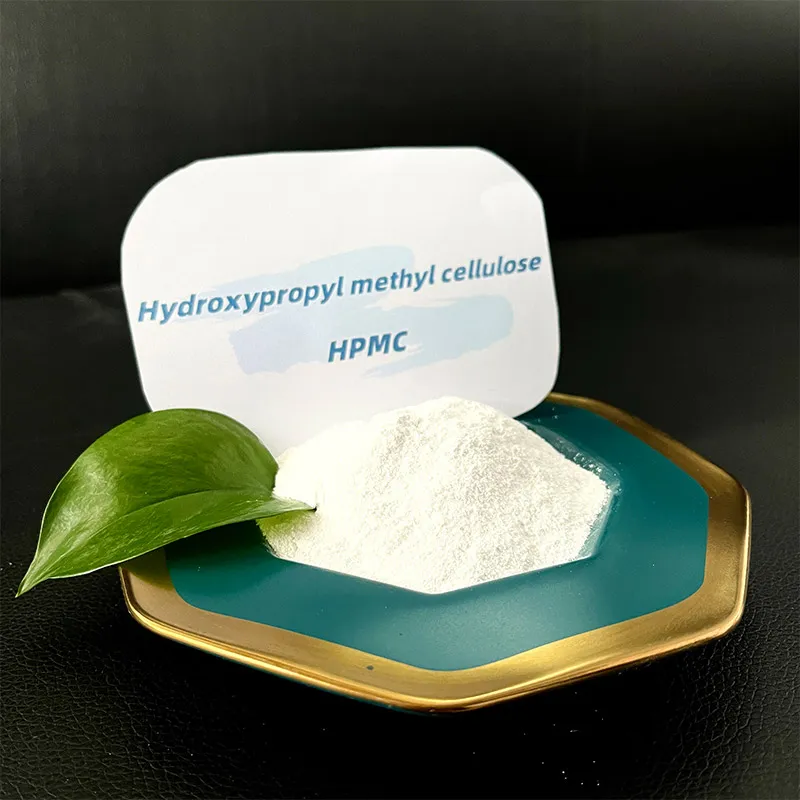

-
 hydroxypropyl_methyl_cellulose_manufacturers_in_india
Oct . 25, 2025
The Emergence of Wood Pulp Fiber A Sustainable Alternative In recent years, the pursuit of sustainab -
 powder_coating_rubber
Oct . 25, 2025
Company Overview HeBei ShengShi HongBang Cellulose Technology CO.,LTD. Visit Official Website Tel: + -
 raw_material_of_synthetic_fibre
Oct . 25, 2025
The unique behavior of starch ether in construction chemistry stems from deliberate modifications to


